
Facial Procedures
Fat Transfer (Fat Grafting)
Using your own fat to restore volume and soften contours
Overview
Fat transfer (also called fat grafting or lipofilling) takes fat from one area of the body — usually the abdomen, flanks, or thighs — and reinjects it into another area that needs more volume, most often the face.
Because the fat comes from your own body, it carries little risk of allergic reaction, and results that survive the initial healing period tend to behave like the surrounding natural tissue, ageing and settling in the same way.
Placement technique matters more than the volume injected in any single pass — fat is typically layered in small amounts across multiple passes and tissue planes, since large deposits in one spot are more prone to poor survival, lumpiness, or an unnatural look than the same total volume placed carefully.
Candidacy
Is Fat Transfer (Fat Grafting) Right for You?
- Facial hollowing or volume loss under the eyes, cheeks, or temples
- Wanting a longer-lasting alternative to synthetic dermal filler
- A donor area with enough fat available for harvesting
- Also being considered for other reconstructive uses, such as restoring volume after facial trauma or a condition causing tissue atrophy
- Realistic expectations that some of the transferred fat will be reabsorbed over time
What to Expect
Your Journey
- 01
Consultation
Assessment of the areas needing volume and the donor site, and a discussion of how many sessions may be needed for a lasting result given expected graft reabsorption.
- 02
Procedure
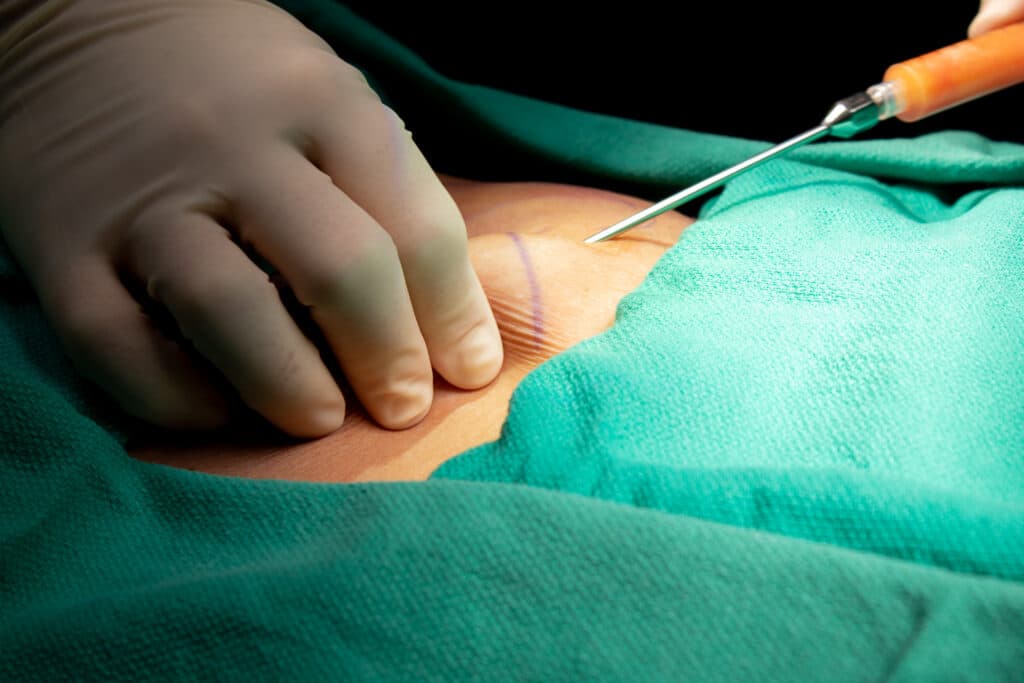
Fat is harvested via gentle liposuction, purified, and then carefully reinjected in small amounts across multiple tissue planes under local or general anaesthesia depending on the extent of treatment.
- 03
Recovery
Swelling and bruising at both the donor and injection sites for one to two weeks, with some of the transferred volume gradually reabsorbing before the remainder settles permanently.
Recovery
Recovery & Aftercare
Most patients return to non-strenuous activity within a few days to a week. Because a portion of transferred fat is naturally reabsorbed in the first few months, the final result is judged at around 3–6 months, and some patients opt for a second, smaller top-up session to fine-tune the outcome.
Before & After
Real Cases
Fat Transfer
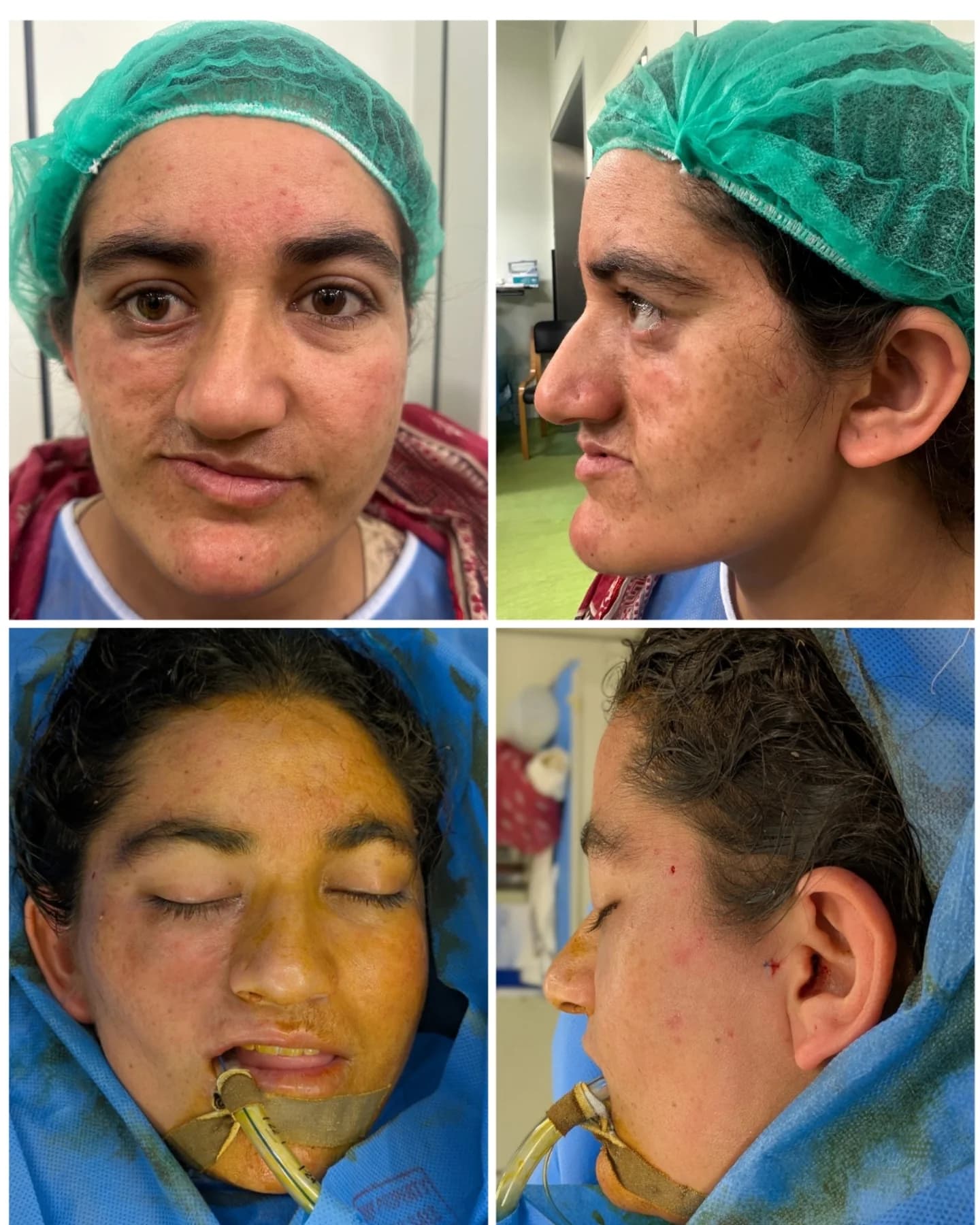
Fat Transfer for Perry Rhomberg Disease
FAQ
Frequently Asked Questions
How is fat transfer different from dermal filler?
Filler is a synthetic, temporary product, while fat transfer uses your own tissue harvested by liposuction — it can last much longer, but requires a procedure to harvest the fat and a period of graft survival, rather than a quick in-office injection.
Will all the transferred fat survive?
No — some percentage is reabsorbed by the body in the months after transfer, which is why surgeons often slightly over-correct or plan a second session to reach the final desired volume.
Can fat transfer go wrong?
As with any procedure, technique and volume matter — placing fat in the correct tissue plane in appropriate amounts is what makes the difference between a natural result and lumpiness or asymmetry, which is why experience with the technique is important.
Is fat transfer only used cosmetically?
No — the same technique is also used reconstructively, for example to restore volume lost to facial trauma or certain medical conditions affecting facial tissue.
How is the donor area chosen?
This depends on where you have enough fat available for harvesting and, to a lesser extent, personal preference — the abdomen, flanks, and thighs are common donor sites, discussed during consultation.

Have Questions About Fat Transfer (Fat Grafting)?
Every case is different. Get in touch to discuss your situation, or keep reading for more on candidacy, recovery, and what to expect.
All Procedures