
General & Hernia Surgery
Incisional / Ventral Hernia Repair
Repairing hernias that develop at a previous surgical site
Overview
Incisional (or ventral) hernias develop at the site of a previous surgical incision, where the abdominal wall has weakened over time and allowed tissue to protrude through the scar.
Repair approaches vary considerably with hernia size and location, ranging from straightforward suture repair to more complex mesh reconstruction for larger defects.
Candidacy
Is Incisional / Ventral Hernia Repair Right for You?
- A bulge developing at or near a previous surgical scar
- Discomfort or a dragging sensation around the hernia site
- A confirmed hernia on clinical examination or imaging
- Fit for the anaesthesia and recovery demands of the planned repair
What to Expect
Your Journey
- 01
Consultation
Assessment of hernia size, abdominal wall quality, and any relevant factors from the original surgery.
- 02
Procedure
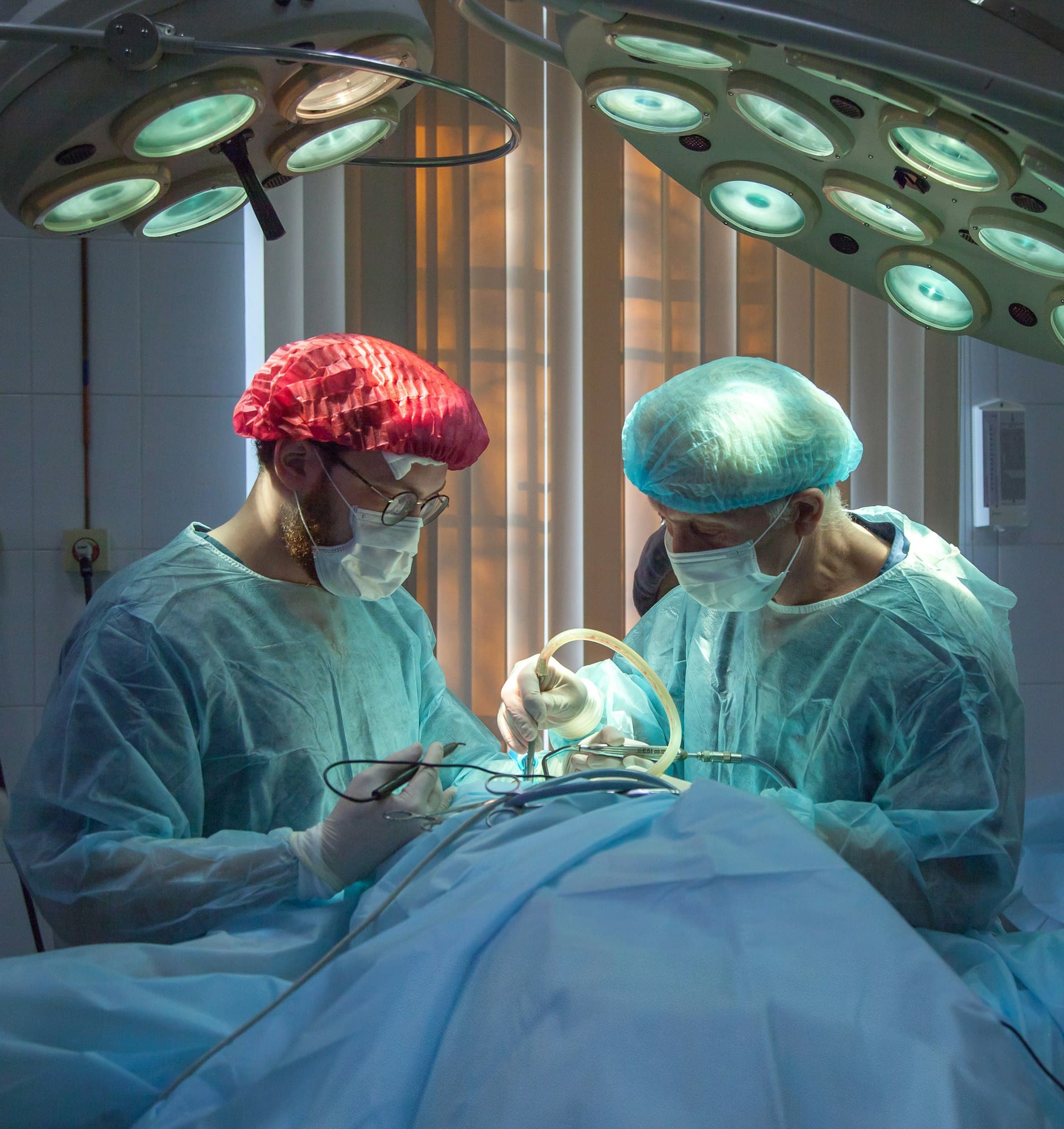
Repair technique — open or laparoscopic, with or without mesh — is tailored to the size and complexity of the defect.
- 03
Recovery
Recovery time varies with hernia size, with larger repairs typically requiring a longer, more gradual return to activity.

Recovery
Recovery & Aftercare
Smaller repairs often allow a quicker recovery, while larger, more complex incisional hernias may need a more extended and carefully staged recovery plan.
FAQ
Frequently Asked Questions
Why do incisional hernias happen?
They develop when the abdominal wall doesn't fully regain its strength after a previous incision, allowing tissue to push through over time.
Is mesh needed for every repair?
Larger defects usually benefit from mesh reinforcement, while some smaller hernias may be repaired with sutures alone.
Can this hernia recur again after repair?
There is a recurrence risk with any hernia repair, which is one reason surgical technique and post-operative care are both important.

Interested in Incisional / Ventral Hernia Repair?
Book a consultation to discuss your goals and find out whether this procedure is right for you.