
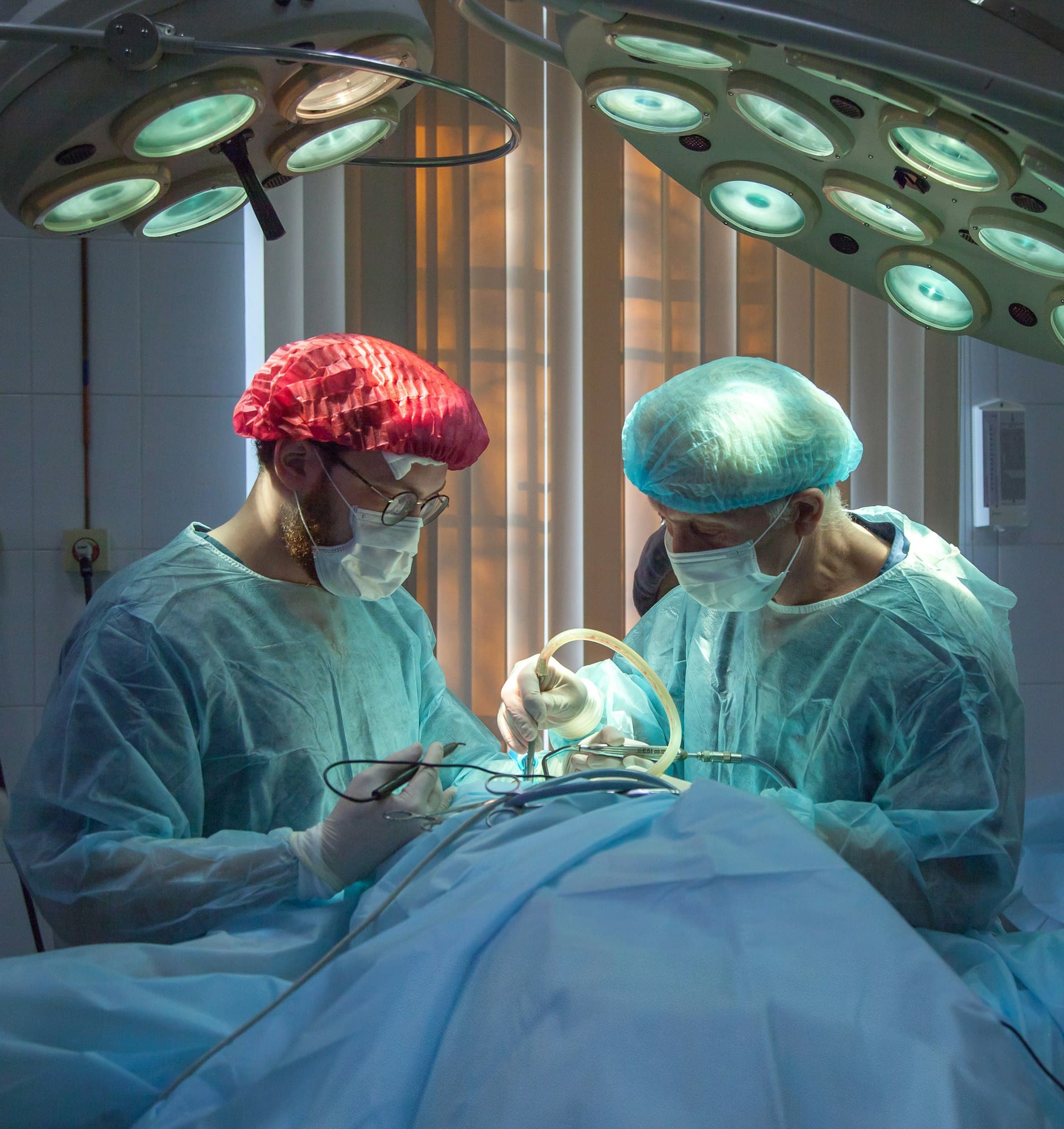
General & Hernia Surgery
Inguinal Hernia Repair
Correcting the most common type of hernia
Overview
An inguinal hernia occurs when tissue, often part of the intestine, protrudes through a weak point in the lower abdominal wall near the groin — the most common type of hernia, particularly in men.
Repair reinforces the weakened area, most often with surgical mesh, to prevent recurrence and reduce the risk of complications such as strangulation.
Candidacy
Is Inguinal Hernia Repair Right for You?
- A noticeable bulge or swelling in the groin
- Discomfort or aching, especially when lifting, coughing, or straining
- A hernia confirmed on clinical examination or imaging
- Fit for surgery under general or regional anaesthesia
What to Expect
Your Journey
- 01
Consultation
Clinical examination to confirm the hernia and discuss open versus laparoscopic repair options.
- 02
Procedure
Usually performed under general anaesthesia, reinforcing the weakened area with mesh, either openly or laparoscopically.
- 03
Recovery
Most patients go home the same day or after a short stay, with a gradual return to normal activity.

Recovery
Recovery & Aftercare
Light activity typically resumes within days, with heavier lifting and strenuous exercise restricted for several weeks as the repair strengthens.
FAQ
Frequently Asked Questions
Is mesh always used?
Mesh repair is standard for most adult inguinal hernias as it significantly reduces the risk of recurrence, though this is discussed case by case.
Can a hernia get worse if left untreated?
Yes — hernias do not resolve on their own and can enlarge or lead to complications, so timely assessment is important.
Is laparoscopic repair always possible?
Suitability for a laparoscopic versus open approach depends on individual factors assessed during consultation.

Interested in Inguinal Hernia Repair?
Book a consultation to discuss your goals and find out whether this procedure is right for you.